The Meta Kibun Project
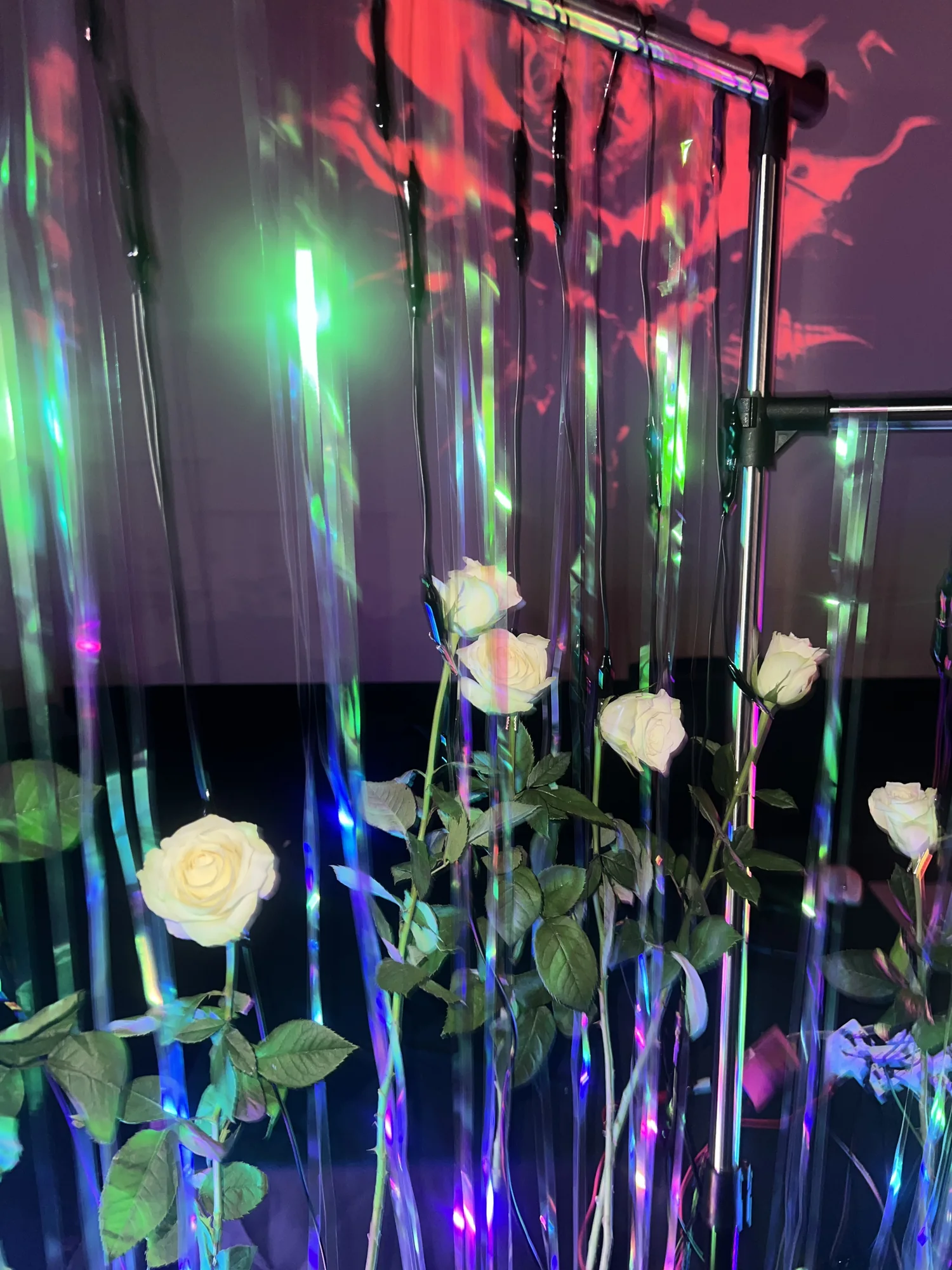
Living roses, water, colour and participant-composed language form an installation through which audiences explore how feeling takes shape through touch, personal experience and cultural context.
Overview
The Meta Kibun Project develops Meta Rose’s inquiry into emotional duality through kibun (기분), a Korean term encompassing mood, feeling and atmosphere. Drawing on Park’s Korean heritage, it considers emotion as something shaped by language, memory, cultural position and the circumstances of an encounter. The central question is how tactile interactivity and culturally specific ways of describing colour might help audiences attend to feelings that are layered, changeable and difficult to name.
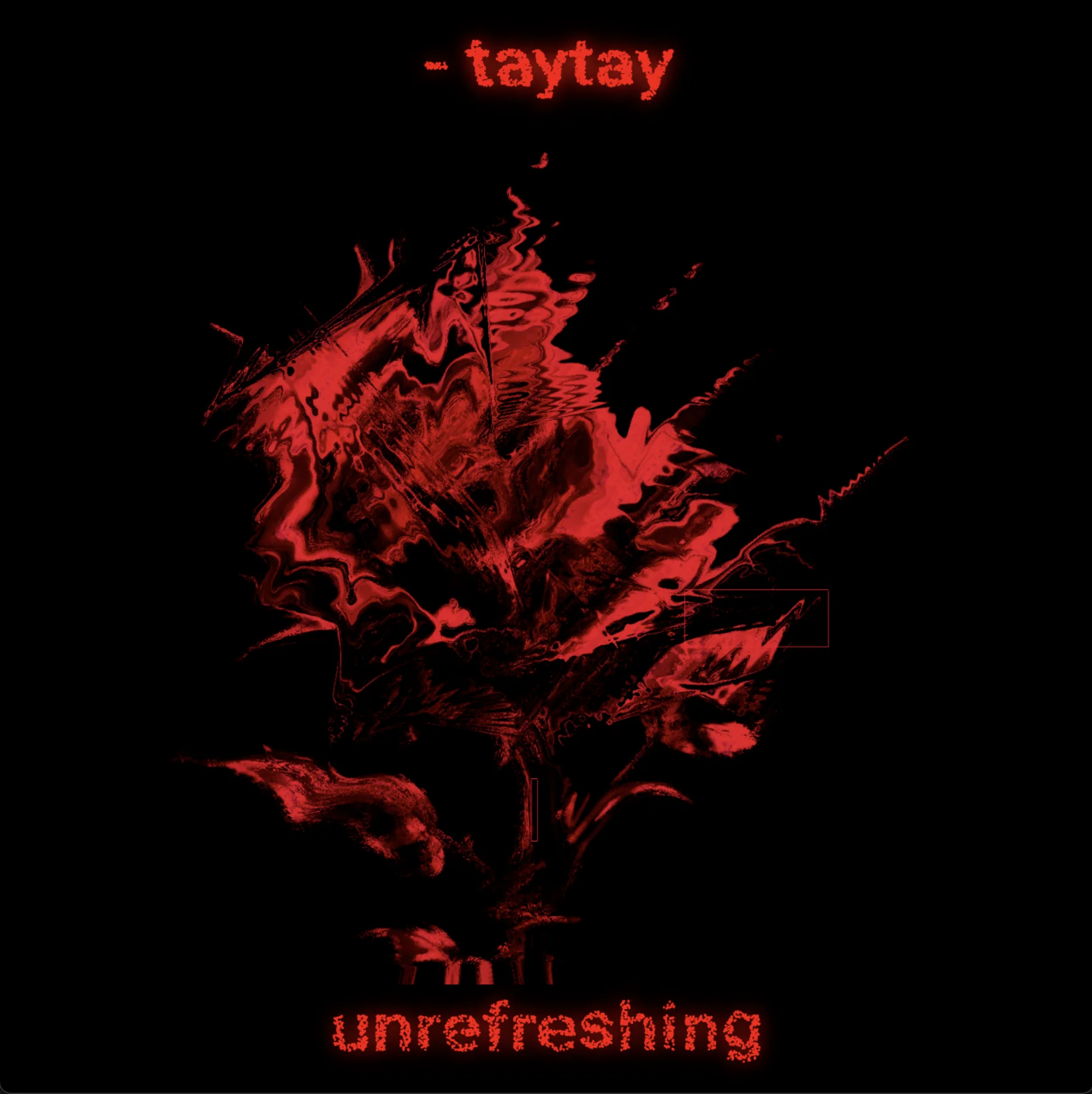
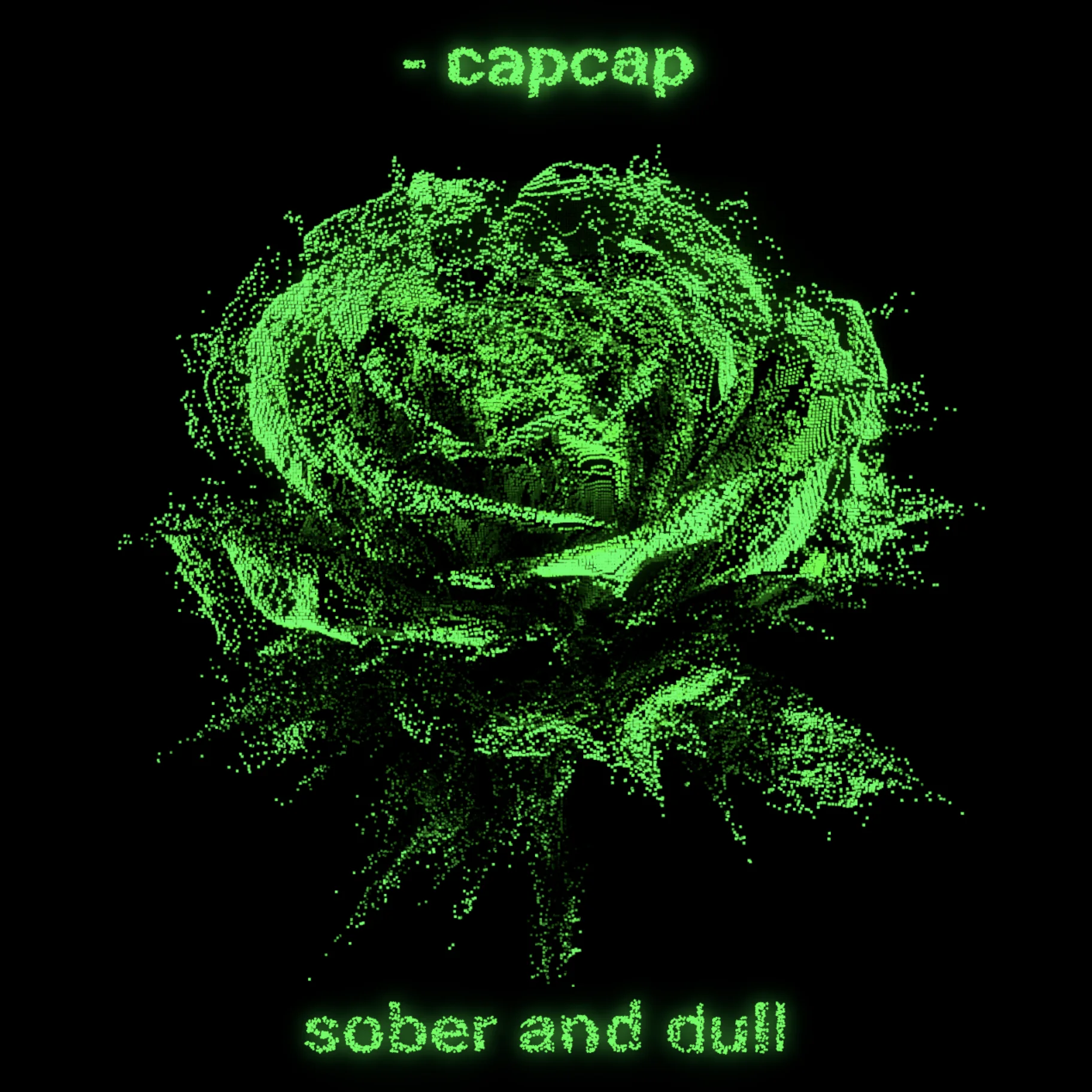
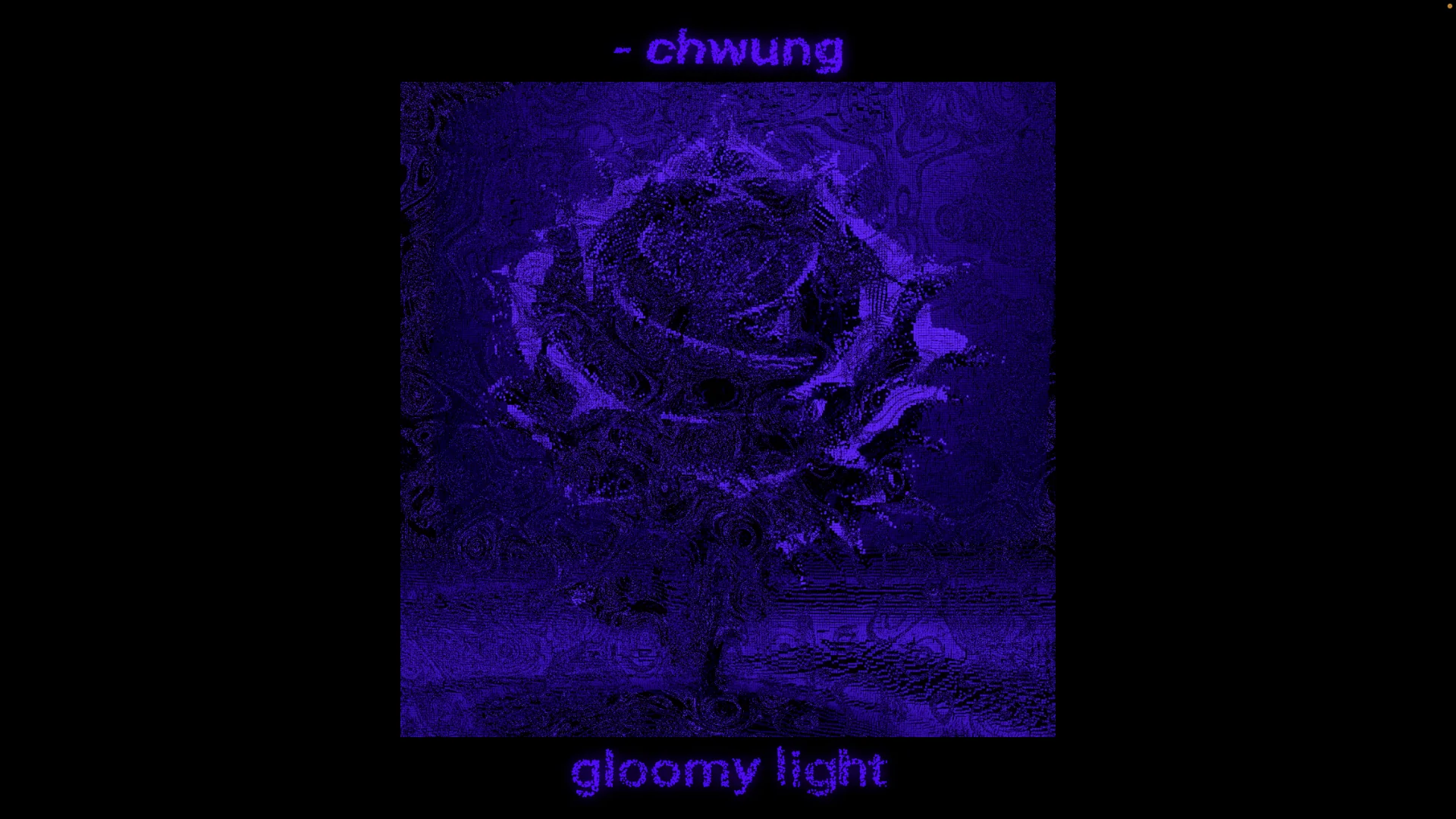
The rose remains both a living material and a structure for ambivalence. Petals and thorns hold attraction and discomfort together; the audio-visual composition similarly places softer responses alongside glitch-based effects. These contrasts provide possibilities for exploration without prescribing what a participant should feel.
Participation & composition
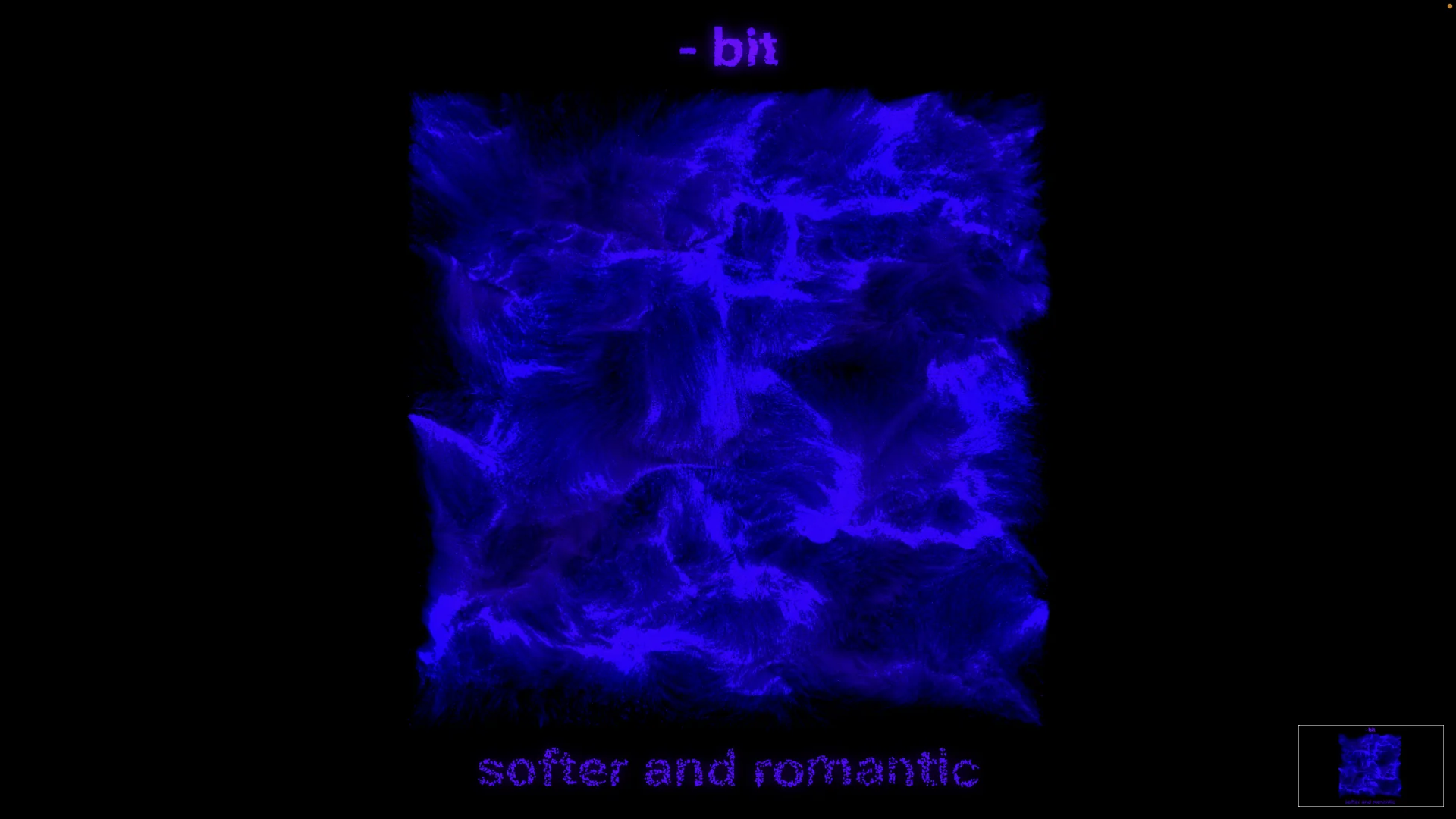
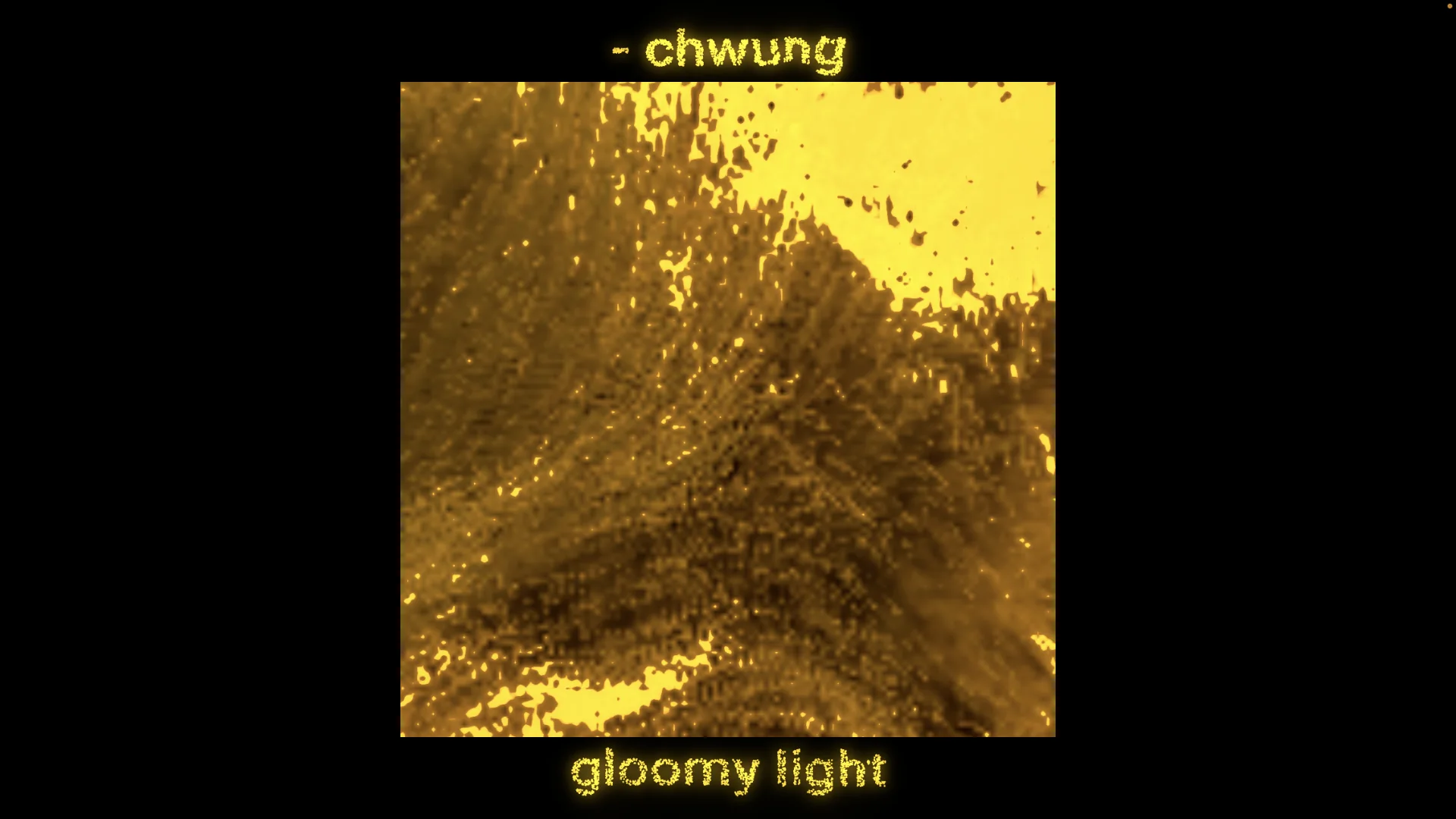
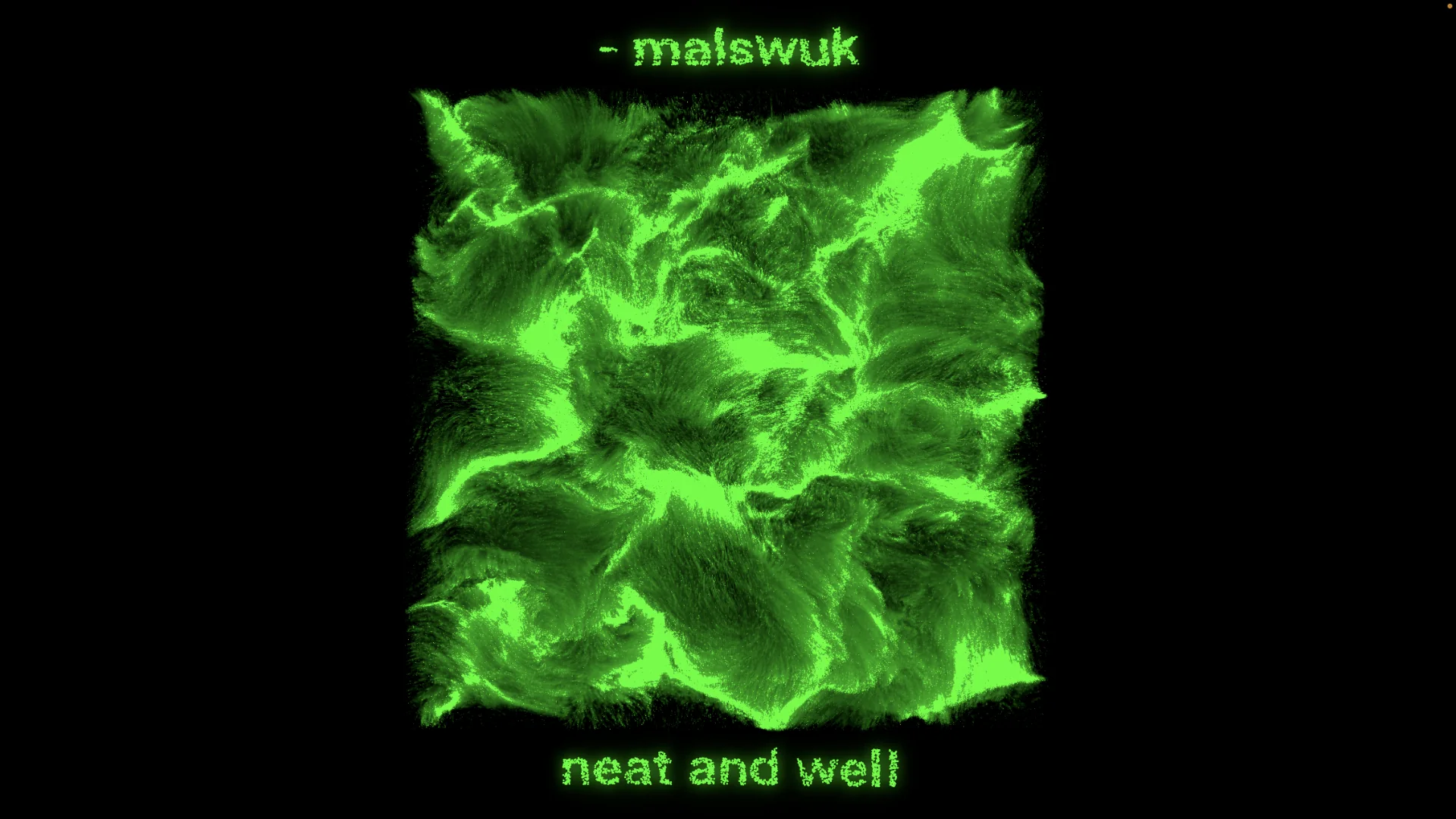
The encounter begins with the question, ‘How is your kibun today?’ Participants select a colour and combine it with a Korean emotive suffix offered by the project, or invent a suffix in a language of their choice. This process draws on the expressive nuance of Korean colour vocabulary while leaving room for a personal colour expression. Naming becomes part of reflection rather than a choice between predetermined emotional categories.
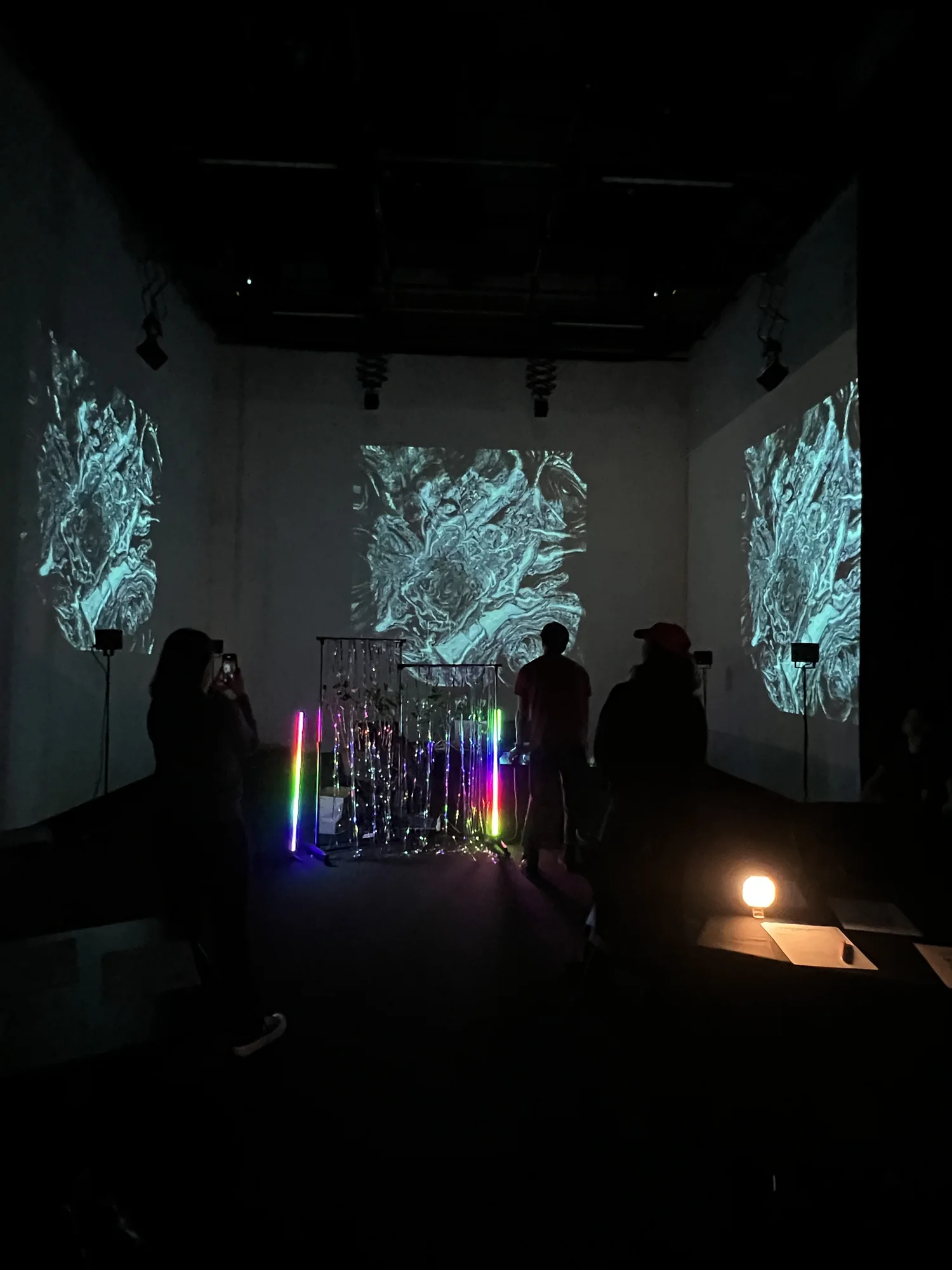
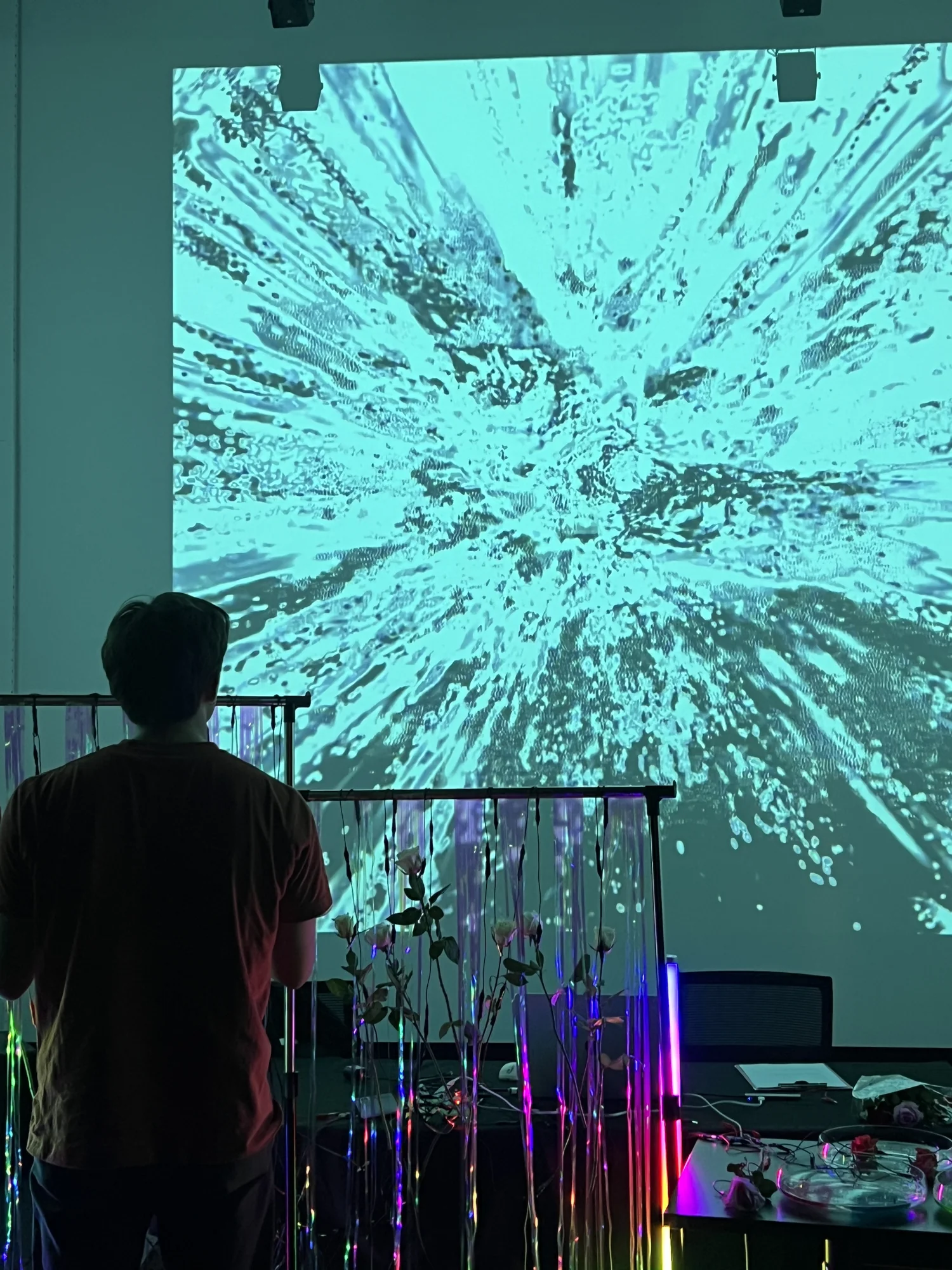
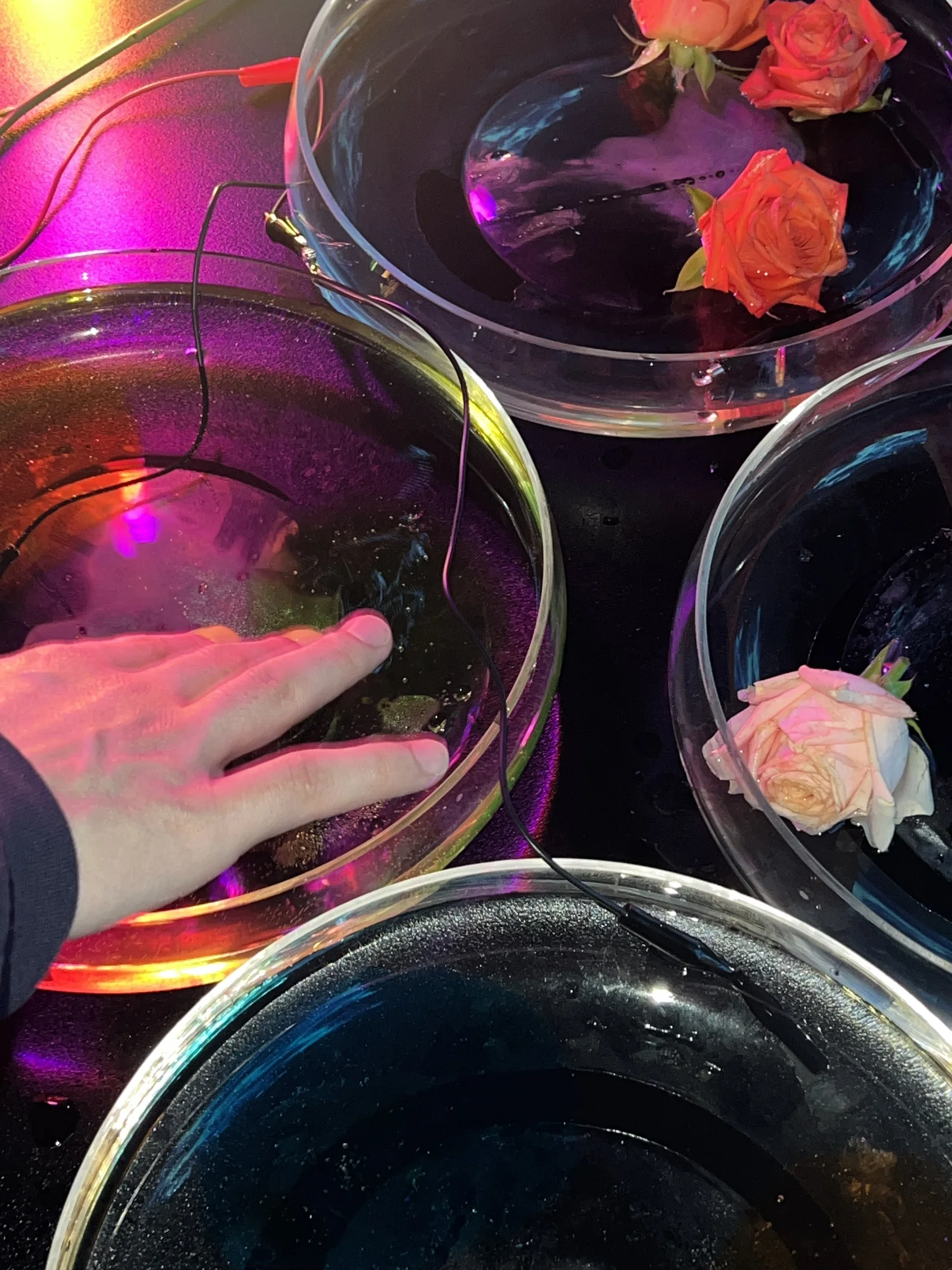
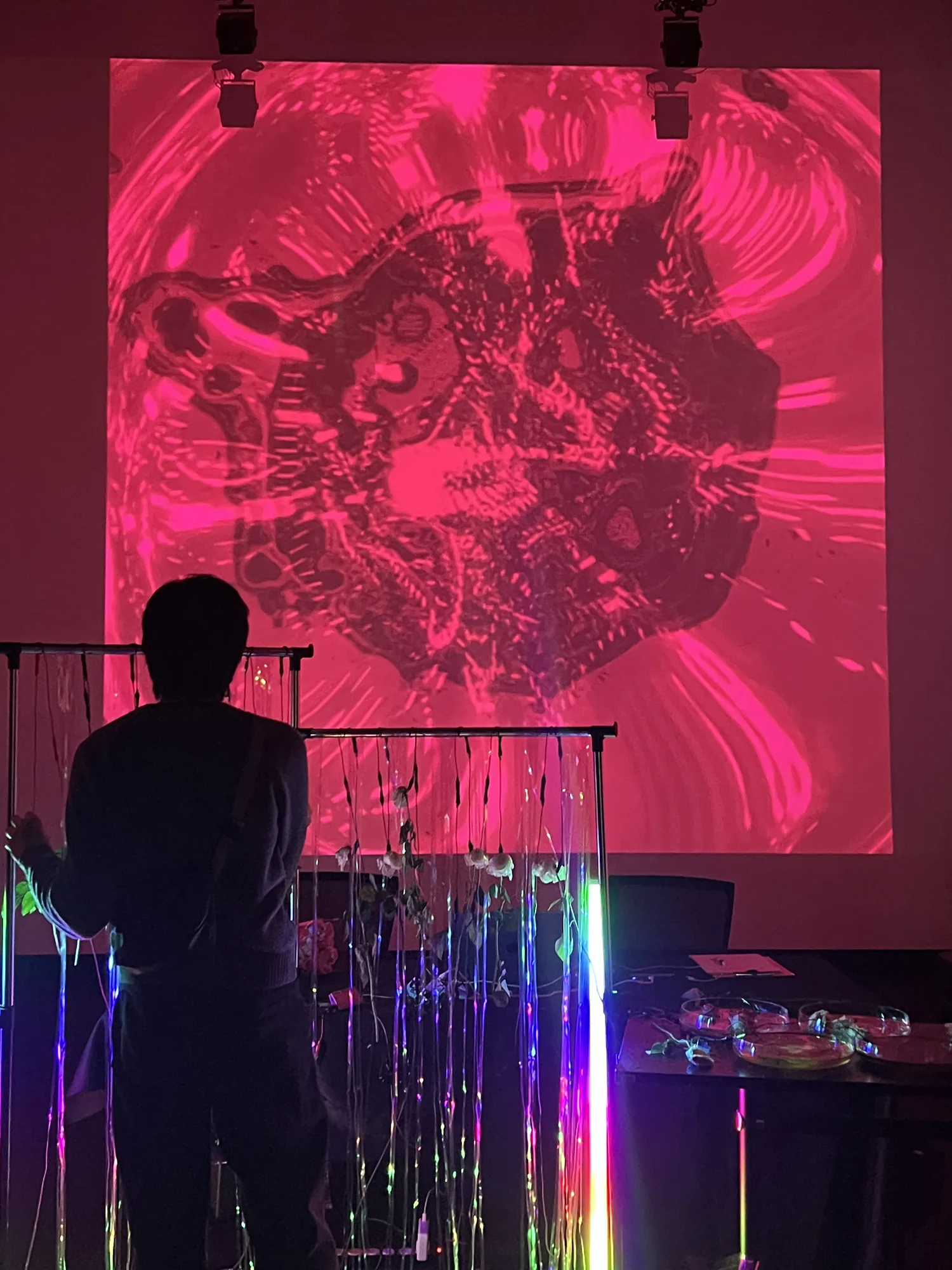
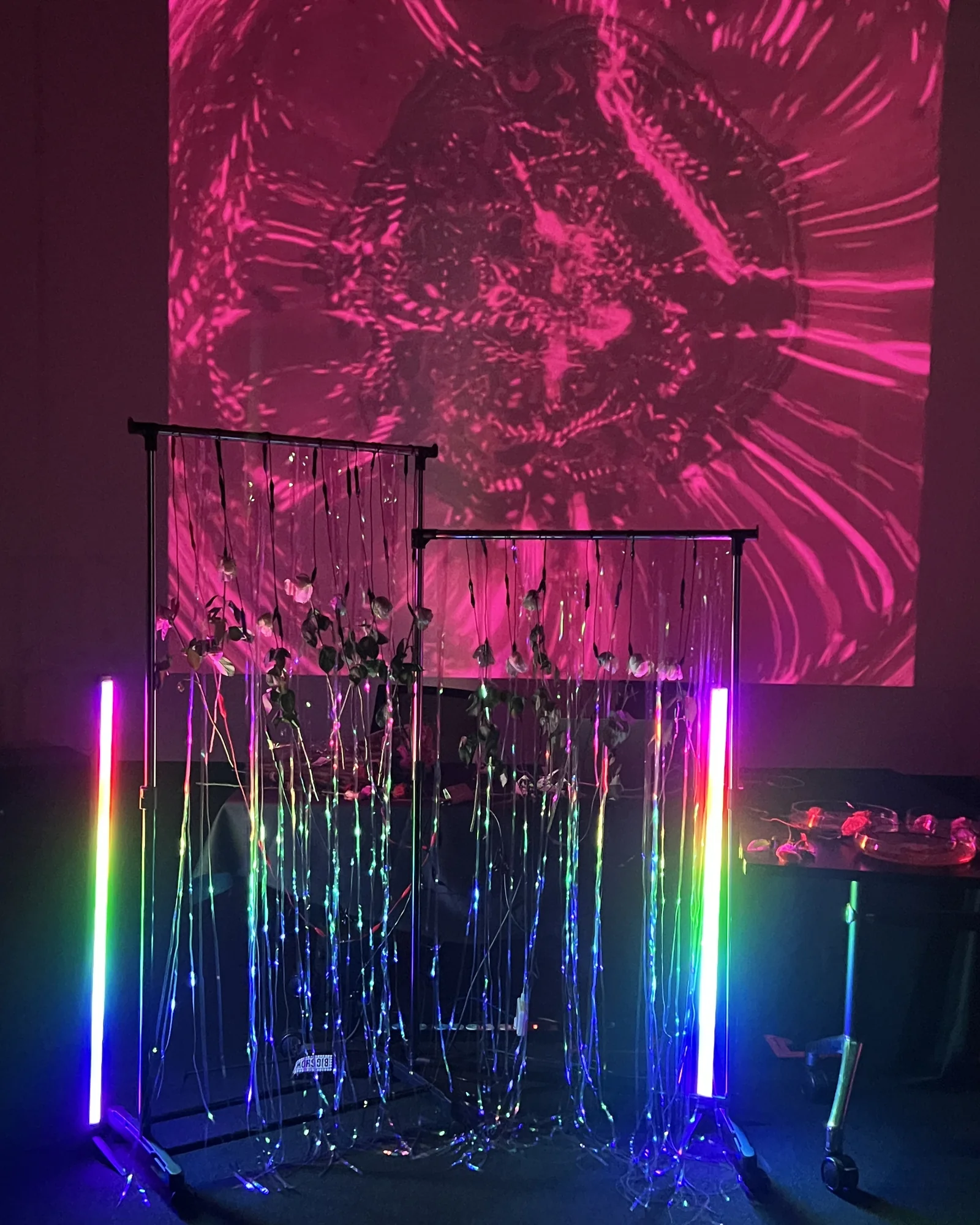
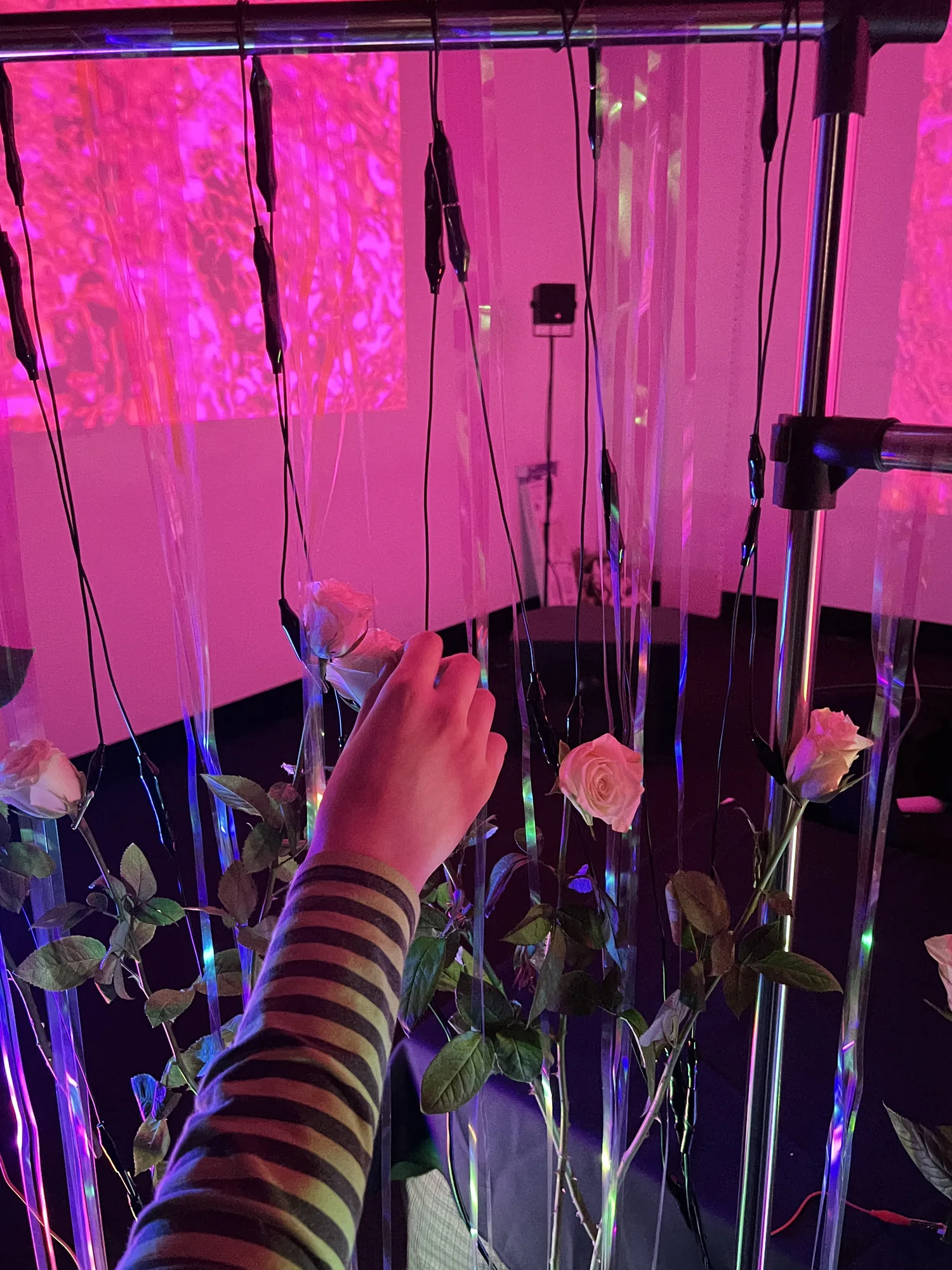
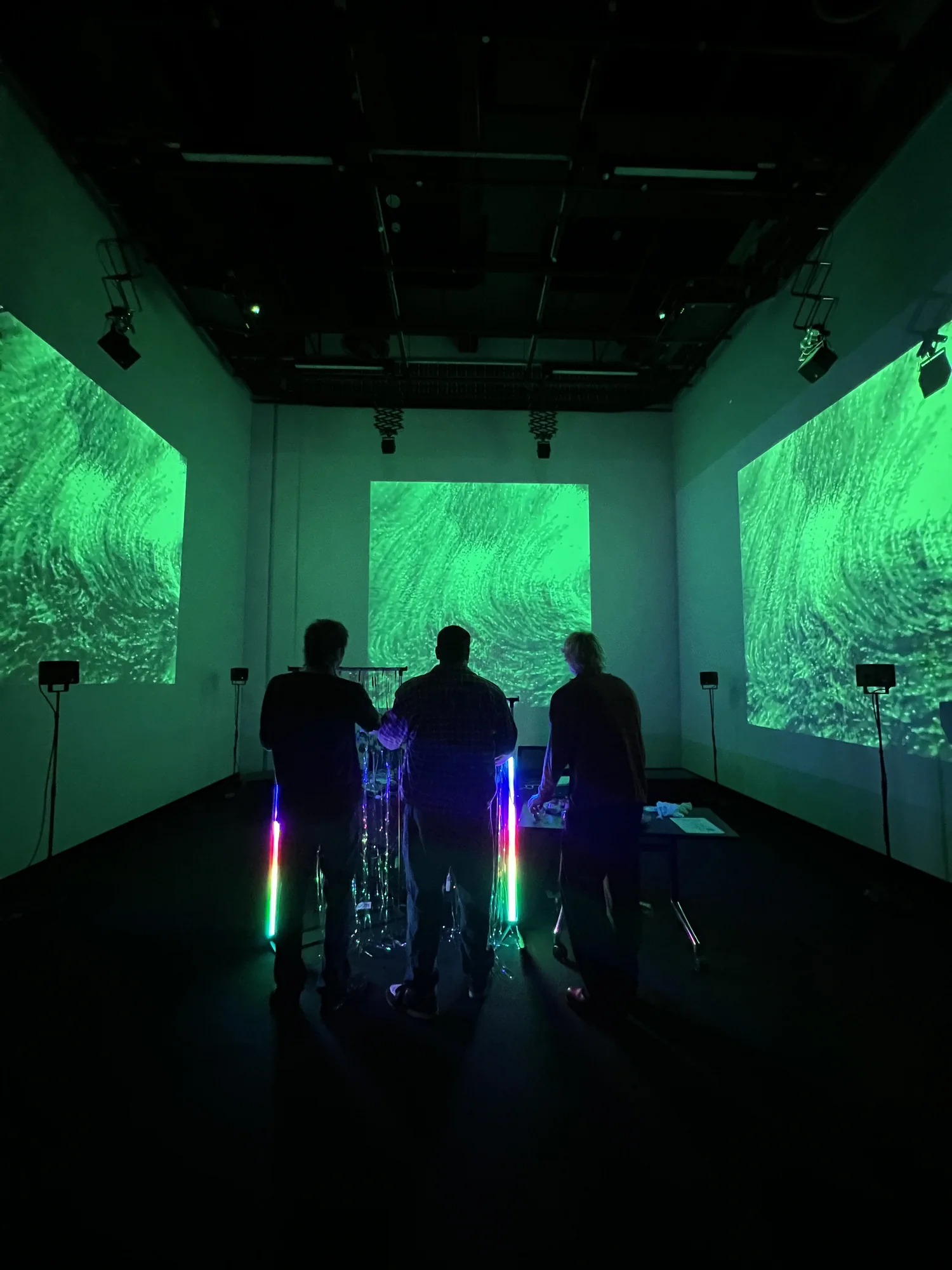
Participants then touch living roses to activate responses within a system of sixteen layered audio-visual effects. Sound, light and moving image unfold across three screens. Touching the water or dipping fingers into the bowls changes colour and visuals; coloured slime introduces another tactile texture. The choice of material and response gives the participant an active role in composing the encounter. The work is experienced through the hands and body as well as through watching and listening.
Research & development
Developed through Park’s 2025 creative practice-based Honours research at RMIT University, the installation also served as the research site. Visitors first encountered a non-interactive video using the work’s audio-visual material, then engaged with the interactive installation. This sequence supported reflection on the difference between observing a composition and participating in its formation.
Across the two-day exhibition, fifteen semi-structured, one-to-one interviews and sixteen survey responses were collected. Participants described the tactile encounter as bodily and personally engaging; several identified colour selection and unfamiliar emotive language as tools for noticing feelings they had not readily articulated. Accounts of the interactive work frequently emphasised agency and personal connection compared with viewing the recorded version.
These responses are treated as situated accounts rather than measurements of an objectively readable emotional state. The research does not establish a universal colour–emotion code or claim that cultural differences were comprehensively tested. Its contribution lies in examining how material sensation, expressive choice and audience participation can support nuanced reflection within a particular exhibition encounter.
Presentation
Presented at RMIT University, Melbourne, on 12–13 September 2025. The exhibition brought together living roses, water, tactile materials, sound, light and three-screen moving image. The accompanying Honours exegesis documents the conceptual framework, installation, research methods and audience accounts, providing the foundation for subsequent work on affect, participation and culturally situated experience within Meta Rose.
Project documentation
Original project website ↗